Most patients who walk into AAIRS Clinic & Troy Sleep Center for allergy testing arrive with the same two questions: how long will it take, and is it going to hurt? Both have reassuring answers — but the more useful question is what the testing can actually tell you, and how the AAIRS team uses those answers to build a treatment plan that fits your life.
Allergy testing at AAIRS Clinic happens after an unhurried conversation about symptoms, history, environment, and what you've already tried. Testing is a tool, not a starting point — running a panel without context produces a list of sensitivities that may or may not match what's actually making you miserable. The clinic's allergists and immunologists order tests based on what the history suggests, then interpret results against the symptom pattern rather than chasing every positive reading on a printout.
The three kinds of testing you might receive
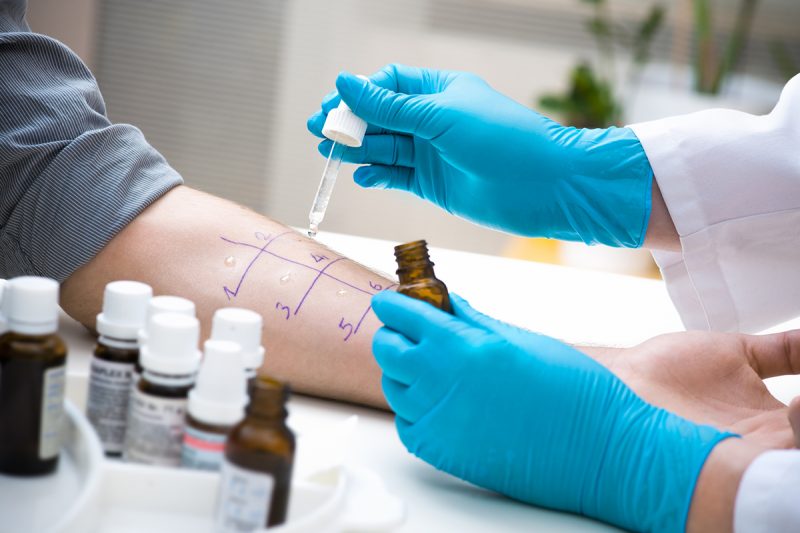
AAIRS uses three primary testing modalities, often in combination. Skin prick testing is the workhorse for environmental allergies — pollens, dust mite, animal dander, mold — and for many food allergies. A drop of each allergen extract is placed on the forearm or back, and the skin is gently pricked through the drop. Wheals develop within about fifteen minutes for the allergens you react to. The procedure is mildly uncomfortable but not painful, and most patients describe it as similar to a mosquito bite that fades quickly.
Intradermal testing — a small injection of diluted allergen just under the skin — is more sensitive and is used when the clinical suspicion is high but the skin prick test was negative, particularly for venom and certain drug allergies. Serum-specific IgE blood testing is the third option, useful when patients are taking medications that interfere with skin testing (antihistamines, certain antidepressants), when there's extensive skin disease that would obscure the wheal response, or when patients prefer a single blood draw over the forearm procedure. The choice between them isn't arbitrary; the AAIRS team picks based on the question being asked.
How to prepare and what to expect on the day
For skin testing, the most important preparation is stopping antihistamines for the period your AAIRS physician specifies — typically five to seven days before the appointment, depending on the medication. Antihistamines suppress the wheal response and can produce false negatives. Topical steroids on the testing site should also be paused. Most other medications, including inhalers, can be continued without affecting the results. The clinic provides a personalized prep list before each appointment so there's no guessing.
The testing itself takes about an hour for a typical environmental panel: a few minutes for placement, fifteen to twenty minutes for the reactions to develop, and a careful read by a trained nurse or technician. The physician then walks you through the results in the same visit, which is important because the interpretation is where the value lives. AAIRS Clinic patients who want a fuller sense of the practice's diagnostic approach across overlapping conditions can read our overview of how the team coordinates testing across specialties.
What happens after the results
A typical allergy testing visit ends with one of three plans: avoidance and symptom-control medications, immunotherapy (allergy shots or sublingual drops), or — surprisingly often — a decision that the patient's symptoms aren't IgE-mediated and need a different workup entirely. That last category includes non-allergic rhinitis, vasomotor symptoms, sinus disease, and reflux-driven cough. AAIRS Clinic catches these because the practice combines allergy and pulmonary expertise under one roof; a single-specialty allergy practice often hands these patients back to their primary care doctor without an answer.
Immunotherapy is the option that genuinely changes the trajectory of allergic disease. It's a multi-year commitment — typically three to five years — but it modifies the immune response rather than just blocking symptoms. AAIRS offers both subcutaneous immunotherapy (the traditional shot series) and sublingual drops for select indications. Patients whose allergies also drive asthma symptoms often see improvement in their asthma control as their allergy load is reduced, which is one of the reasons the practice handles both conditions together. The complete service overview is available on the AAIRS Clinic website.
Conclusion
Allergy testing at AAIRS Clinic is meant to give you a clear, actionable answer — not a printout full of asterisks. Patients in Troy, Sterling Heights, and the surrounding Oakland and Macomb County communities can contact the AAIRS team to schedule an evaluation, and pediatric appointments are routinely available alongside adult slots. The first visit is usually enough to know whether testing is the right next step or whether the symptoms point somewhere else — either way, you leave with a plan instead of more questions.